Once a fiction writer has a story idea that they are setting in a historical era, they have a major decision they have to make: How accurate am I going to be to the historical era I am depicting?
For each author, this answer varies. Depending on their own taste and the genre of the story, there will be different degrees of accuracy.
As a broad example, someone from ancient times would not be using a cell phone, unless it’s a sci-fi piece or possibly a slapstick comedy, and even then it would seem ridiculous to a reader unless explained somehow.

The vast majority, if not all, of the time, the chosen era will be known to your audience on a basic level. They will be going into your piece with preconceived notions of what it should look like and feel like. The author can lean into these notions, or spin them into something else entirely to suit their purposes.
Often, real history will not play into these notions, so an author has to decide if they are going to make it truly accurate at the possible expense of making it less accessible to the common reader.
From my personal experience, there’s no way to make something 100% accurate, because it would annihilate the story you’re trying to tell. It’s called “historical fiction” for a reason.
For example, when most people picture medieval times it’s all knights in full plate armor on horseback. This the Camelot romanticized version. In reality, this was only a very short period towards the end of the Middle Ages into the Renaissance. But again, it’s up to you as the writer. Most readers wouldn’t think twice about it if you placed that kind of armor in the Early Middle Ages, whereas if you go into the history of armor in your piece to make it completely accurate, some might get bored or question it more. There’s a good page here that clarifies some of the misconceptions surrounding armor.
Which brings me to the next topic: research.
Obviously, when writing about a historical era, an author needs to do some research. The more you want the history to be accurate, the more research you should do.
A warning here: Researching a historical era can be a black hole you might not be able to get out of. No matter how many books you read or websites you visit, it will be nearly impossible to bring in all of the information. For someone like me, who is a completist and wants the full story of things, this can lead to endless detours.

Eventually, you will have to do the actual writing.
Everyone has their own style. Some writers plan every moment before ever putting finger to keys. Some authors like to wing it and let the characters and situation tell them what comes next. There is no wrong way to go about it, it is purely up to you as the writer.
What I tend to do is, after I have a basic idea of the era, is write the “fiction” first, then add in the “history” in tidbits and descriptions as I edit and rewrite drafts.
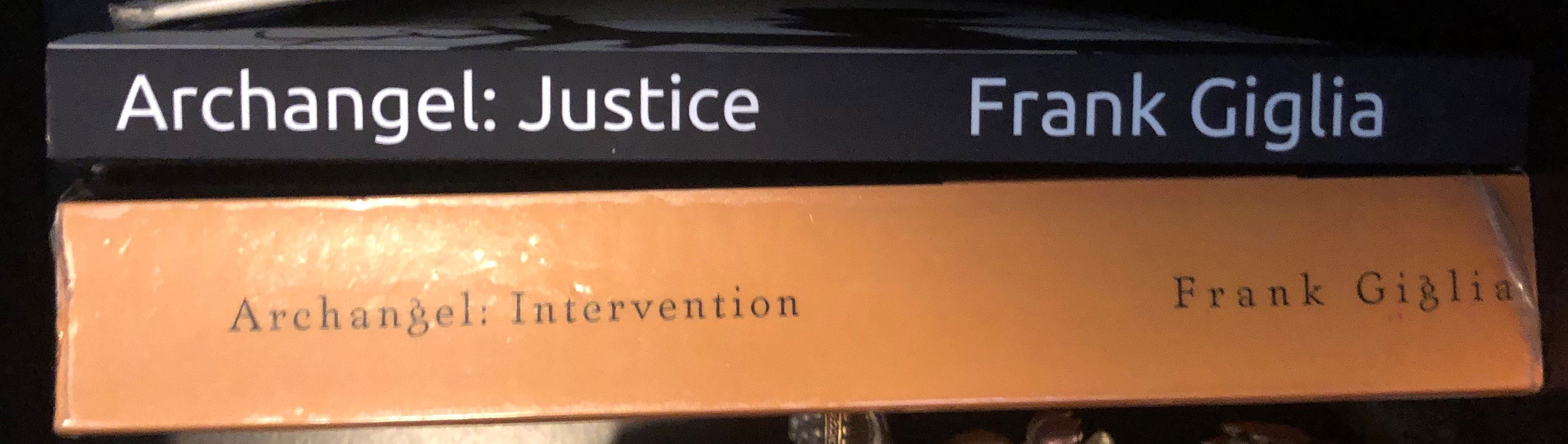
In the case of my “Archangel” Book series, my main character is a confluence of modern and ancient. This allows me to have him react in a variety of ways to the events unfolding. His mission is to preserve history, so sometimes he has no choice but to watch as horrible things happen that he knew beforehand were going to happen.
It also allows for a modern person to confront an old notion of the era that has been debunked or vilified; such as slavery. How far does someone who is supposed to preserve history allow what he views as injustice to go on?
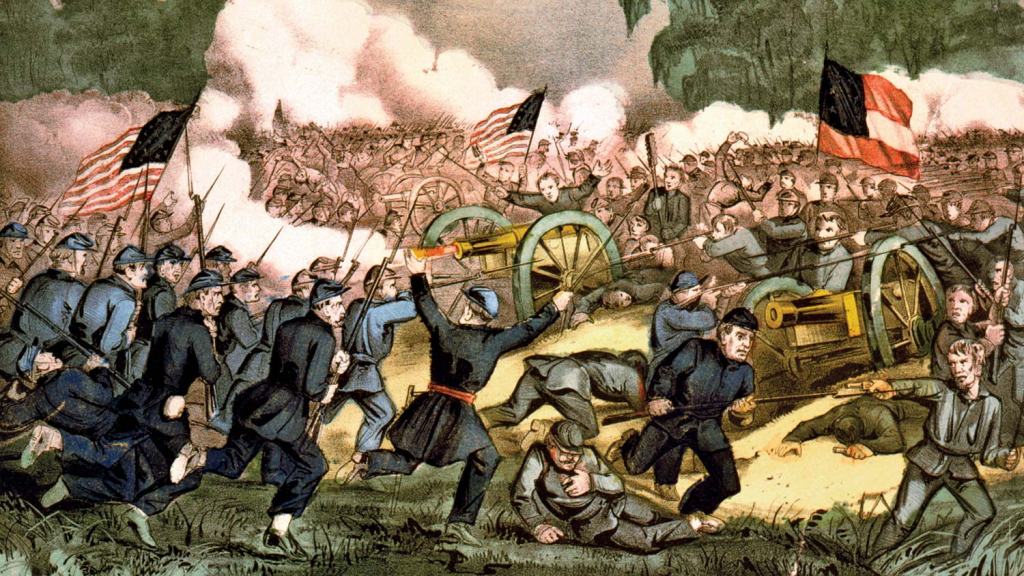
We just might find out in the “Archangel” series Book Three, as it will take place during the American Civil War. As of this writing, I’m in the planning and research stage, though I do have a general plot outline.
The main thing is, it’s up to the author just how much “fiction” goes with the “history.” This is one of the reasons I write, to have fun with a world I created, and to have the real world come up against my world. It fascinates me to peek into other times and see what things looked like in the past, and why historical fiction in particular is one of my favorite genres to read and write.
 Archangel Book Series